
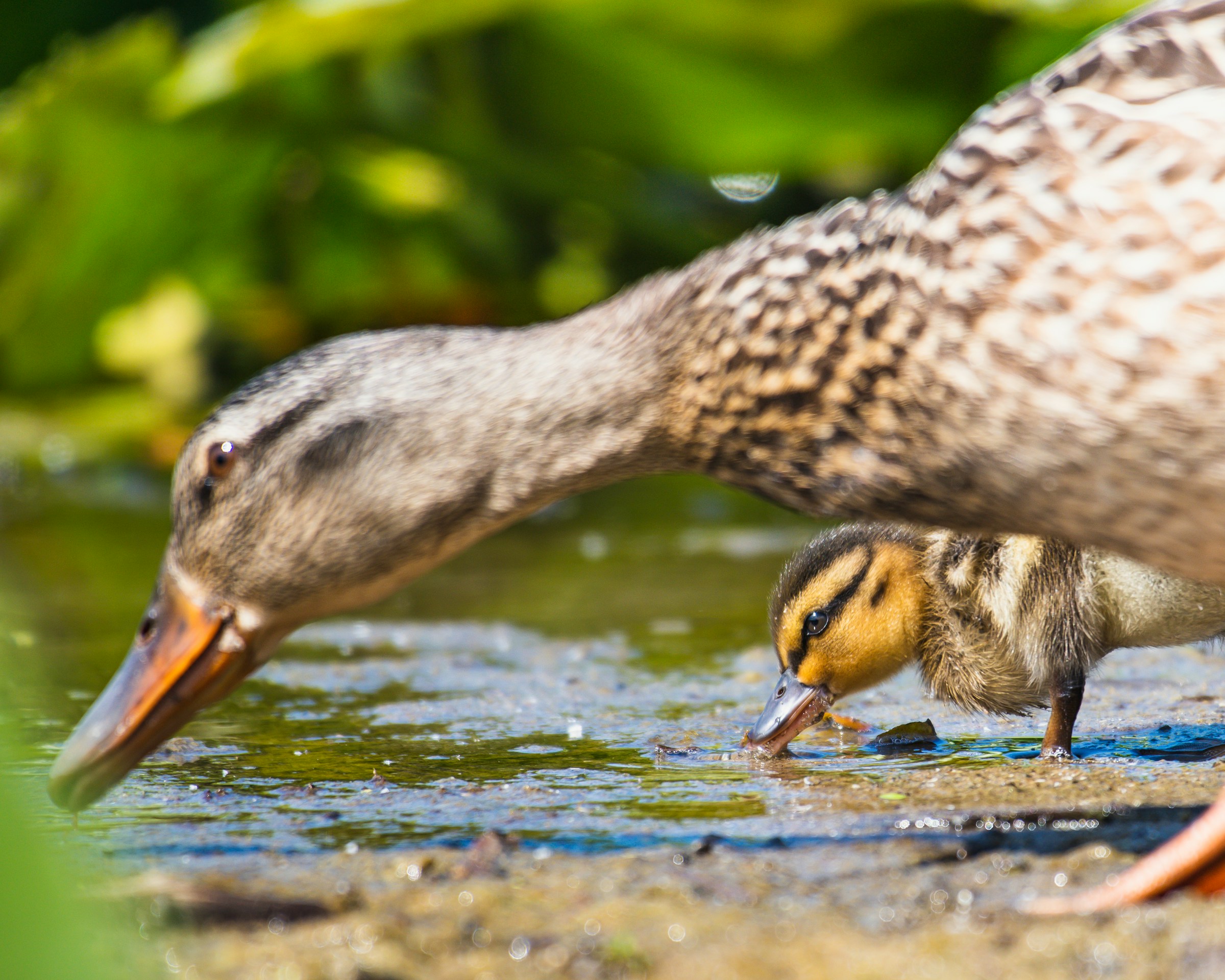
Keep It Wild!
From the rugged coastlines of British Columbia to the boreal forests of Ontario and the tundra of the North, Canada is home to one of the richest arrays of wildlife on Earth. Our vast landscapes shelter moose and beavers, foxes and owls, songbirds and seals - each species playing a vital role in the delicate balance of our ecosystems.
Yet in the face of urban expansion, pollution, habitat loss, and human interference, wild animals across Canada face increasing threats. Many species struggle to survive in shrinking habitats, often coming into conflict with people who see them as nuisances rather than neighbours.
At ARK II, we believe that the truest way to honour wildlife is simple: Keep it wild. Respect animals for who they are, not as pets, pests, or possessions, but as sentient beings who belong to the land as much as we do.
The Importance of Wildness
Wildlife is more than scenery, it is the living heartbeat of the planet. Every fox that hunts in a meadow, every bee that pollinates a flower, every owl that keeps rodent populations in check contributes to a web of life that sustains us all.
When we disturb this balance, by destroying habitats, introducing pollutants, or capturing wild animals for entertainment or profit, the consequences ripple through the environment. Ecosystems weaken. Species disappear. The natural world becomes less resilient in the face of climate change.
Protecting wildlife means protecting the systems that give us clean air, clean water, fertile soil, and stability. When we safeguard wild animals, we also safeguard our own future.
Rehabilitation and Respect
ARK II proudly supports organizations dedicated to the rescue, rehabilitation, and release of wild animals in need. We partner with groups such as the Toronto Wildlife Centre, which provides critical medical care and recovery for thousands of injured, orphaned, and displaced wild animals each year.
These organizations operate on the principle that wild animals belong in the wild, not in cages, zoos, or private homes. Their goal is always to return healthy animals to their natural habitats whenever possible.
The work they do is both compassionate and scientific. Skilled veterinarians, biologists, and volunteers devote countless hours to treating fractures, infections, and poisoning cases caused by human activities, from vehicle collisions and window strikes to rodent poison, fishing hooks, and habitat destruction.
But just as important as their rehabilitation work is their public education mission. The Toronto Wildlife Centre and similar groups teach Canadians how to coexist peacefully with the animals around us:
- What to do if you find a baby bird or injured squirrel.
- How to safely deter raccoons or skunks without harming them.
- Why feeding wildlife, even with good intentions, can be dangerous for them.
- How to reduce collisions, prevent entanglements, and create wildlife-friendly gardens.
Every piece of knowledge shared helps prevent suffering before it happens.
Human Impacts on Wildlife
The majority of wildlife injuries and deaths in Canada are directly or indirectly caused by humans. Urbanization fragments habitats; roads slice through migration routes; pollution poisons waterways and food chains. Even seemingly harmless acts can have deadly consequences:
- Feeding wildlife causes animals to lose their natural fear of humans, increasing the risk of conflict, dependency, and disease.
- Litter and fishing line can trap or choke birds, turtles, and small mammals.
- Outdoor cats kill millions of songbirds and small mammals each year.
- Rodenticides (rat and mouse poisons) are among the most common killers of urban wildlife, poisoning owls, hawks, foxes, and pets.
Each of these threats can be reduced, or eliminated, by public awareness and responsible behaviour.
By rethinking our relationship with wildlife, we can shift from harm to harmony. We can choose to design cities, communities, and backyards that respect the presence and purpose of wild animals.
How to Help Wildlife in Your Community
You don’t need to be a wildlife expert to make a difference. Every Canadian can take simple, effective actions to protect animals in their natural environments:
- Don’t feed wild animals. Feeding changes their behaviour, draws them into danger, and can make them sick. Let wild animals find natural food sources.
- Keep cats indoors. It protects birds, small mammals, and the cats themselves.
- Secure garbage and compost. Prevent raccoons, foxes, and bears from scavenging by using animal-proof containers.
- Use bird-safe windows. Add decals or patterns to reduce deadly collisions.
- Avoid poisons and traps. Use humane pest control methods that don’t harm non-target species.
- Plant native species. Support pollinators and birds with native plants, shrubs, and trees.
- Drive carefully in wildlife zones. Slow down and stay alert, especially at dawn and dusk.
- Volunteer or donate. Support wildlife rehabilitation centres like the Toronto Wildlife Centre, Procyon Wildlife, or the Aspen Valley Wildlife Sanctuary.
Each small change adds up. When individuals act with awareness, communities become sanctuaries for wild lives.
Wild Animals Are Not Entertainment
Another threat to wildness is the ongoing exploitation of wildlife in entertainment. From roadside zoos and marine parks to photo ops with captive animals, these industries mislead the public into thinking wild animals can live happily in captivity.
They can’t.
Wild animals belong in nature, where they can roam, hunt, fly, and behave according to their instincts. In captivity, even in “petting zoos” or so-called “educational” exhibits, animals often suffer from stress, confinement, and boredom.
ARK II opposes the use of wild animals for entertainment, exhibition, or commerce. We support efforts to retire captive animals to sanctuaries and to promote virtual and non-invasive wildlife education experiences that inspire without exploiting.
Coexisting With Compassion
To keep wildlife truly wild, we must cultivate respectful coexistence. This means recognizing that our daily choices, from how we landscape our yards to what products we buy, shape the world animals inhabit.
When we buy palm oil, do we know if orangutans lost their forests to make it? When we use plastic, do we think of the sea turtles who might swallow it? Every act of awareness is an act of compassion.
In Canada, we are privileged to live among bears, eagles, whales, and wolves, creatures that remind us of freedom and resilience. Our responsibility is to ensure that future generations can experience that same awe, not in zoos or on screens, but in the living wilderness that defines our country.
Keep It Wild
“Keeping it wild” isn’t just a slogan, it’s a philosophy of care. It calls on us to let nature be nature, to allow animals the dignity of freedom, and to honour the landscapes that sustain us all.
At ARK II, we are proud to stand alongside organizations like the Toronto Wildlife Centre that embody this vision through their tireless work. By rescuing the injured, educating the public, and advocating for coexistence, they remind us what compassion in action looks like.
Each one of us can be part of this movement. Whether it’s helping a fallen fledgling find its way, supporting local wildlife rehab efforts, or simply choosing to leave wild animals undisturbed — we have the power to make Canada a safer, kinder place for all beings.
Because when we protect wildlife, we protect the wildness within ourselves, the part that still knows how to listen to the wind in the trees, to stand in quiet wonder, and to respect life in all its forms.